
- All Posts
- AI Consultant: Training and Fundamentals
- Security Considerations
- Back
- LMS
- Practical Applications of AI
- AI Agents
- AI Memory
- Prompt Engineering
- Context Engineering
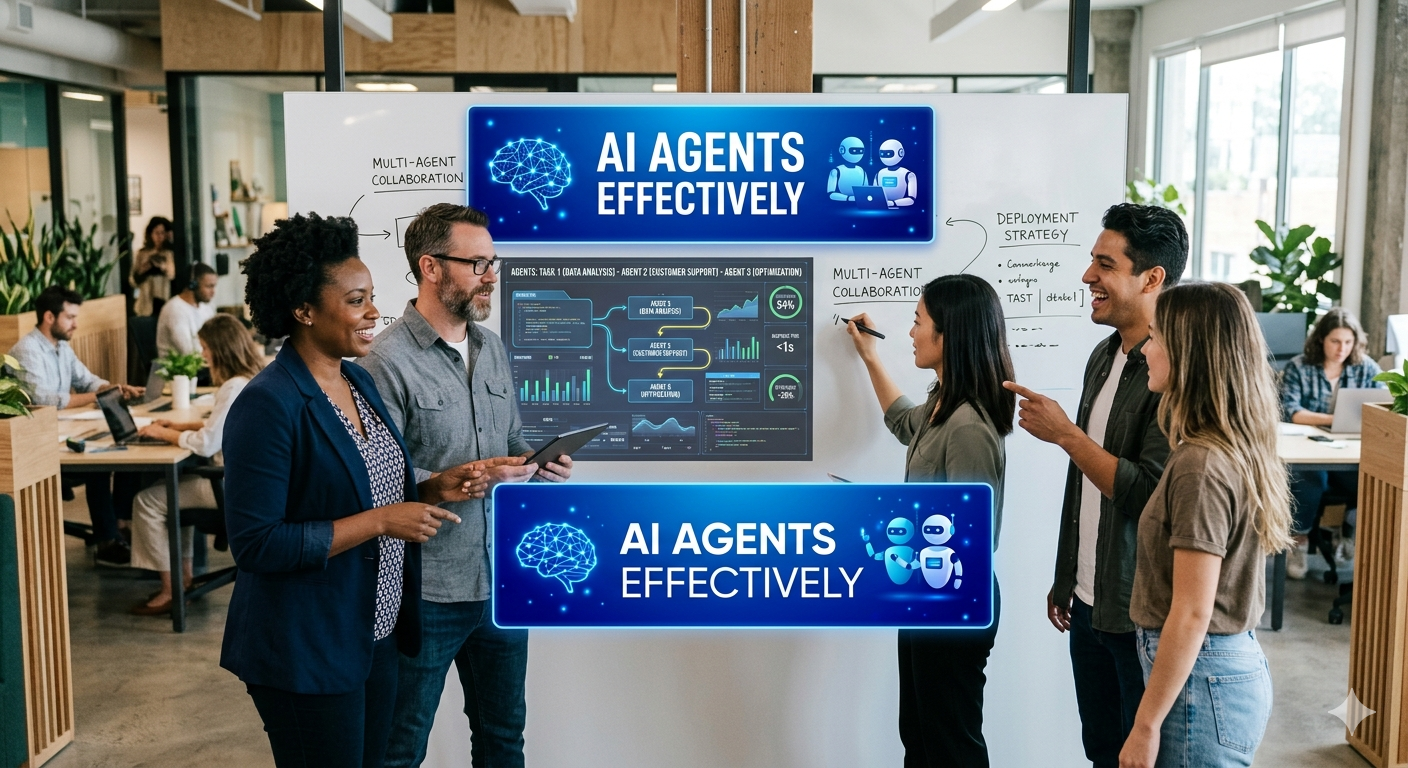
When to Use an Agent complex workflows multiple decision steps tool orchestration When NOT to Use an Agent simple automation...
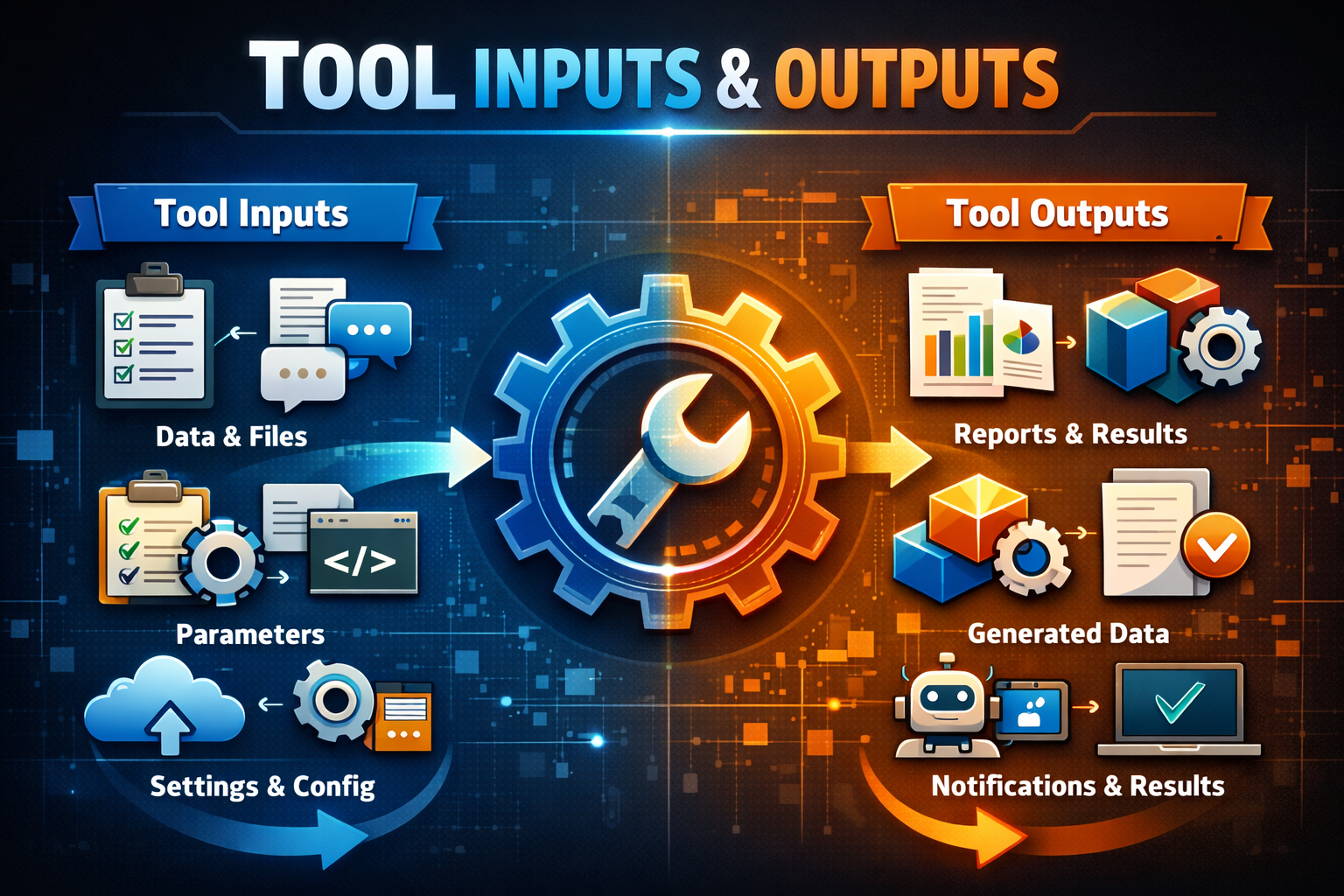
Input Design require only essential inputs set default values where possible Output Design return structured output separate status from data...
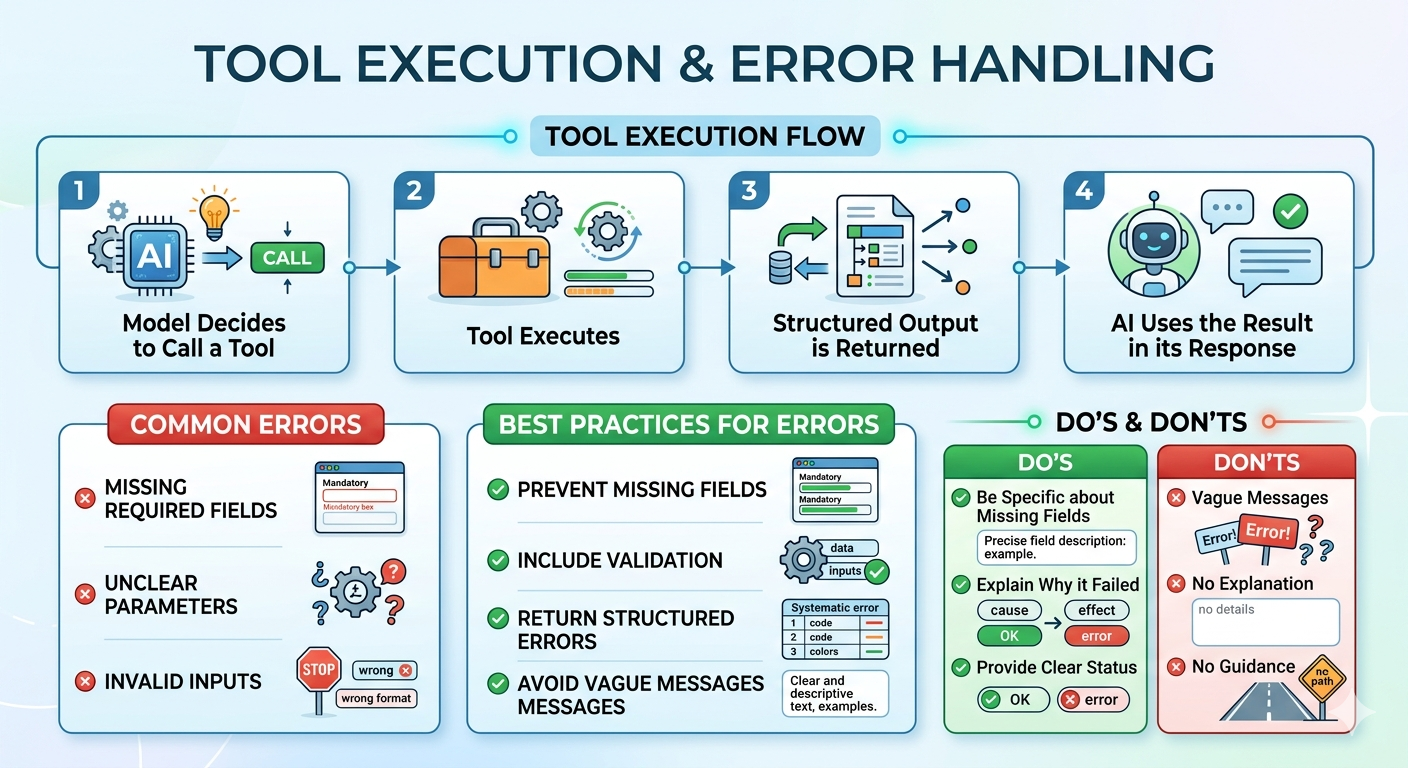
Tool Execution Flow model decides to call a tool tool executes structured output is returned AI uses the result in...
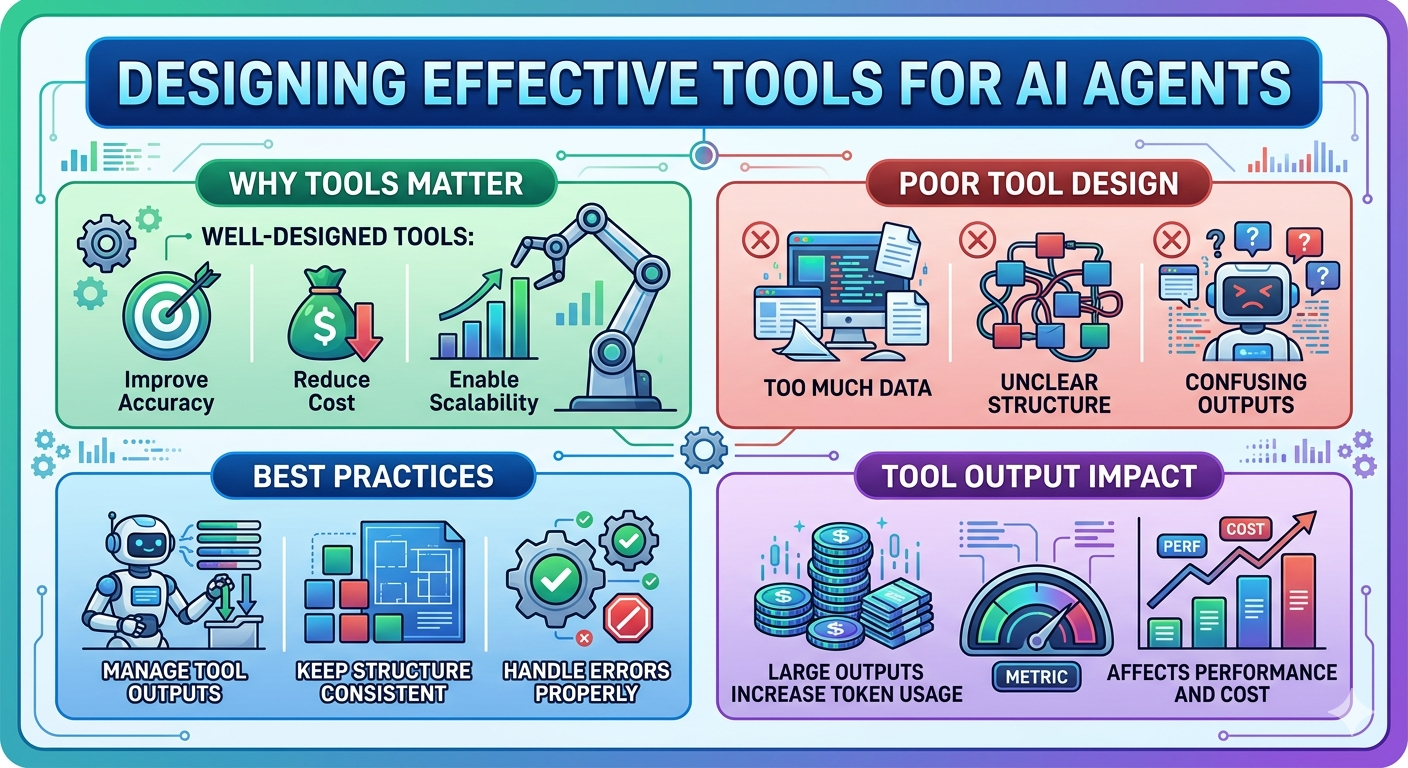
Why Tools Matter Well-designed tools: improve accuracy reduce cost enable scalability Poor Tool Design too much data unclear structure confusing...
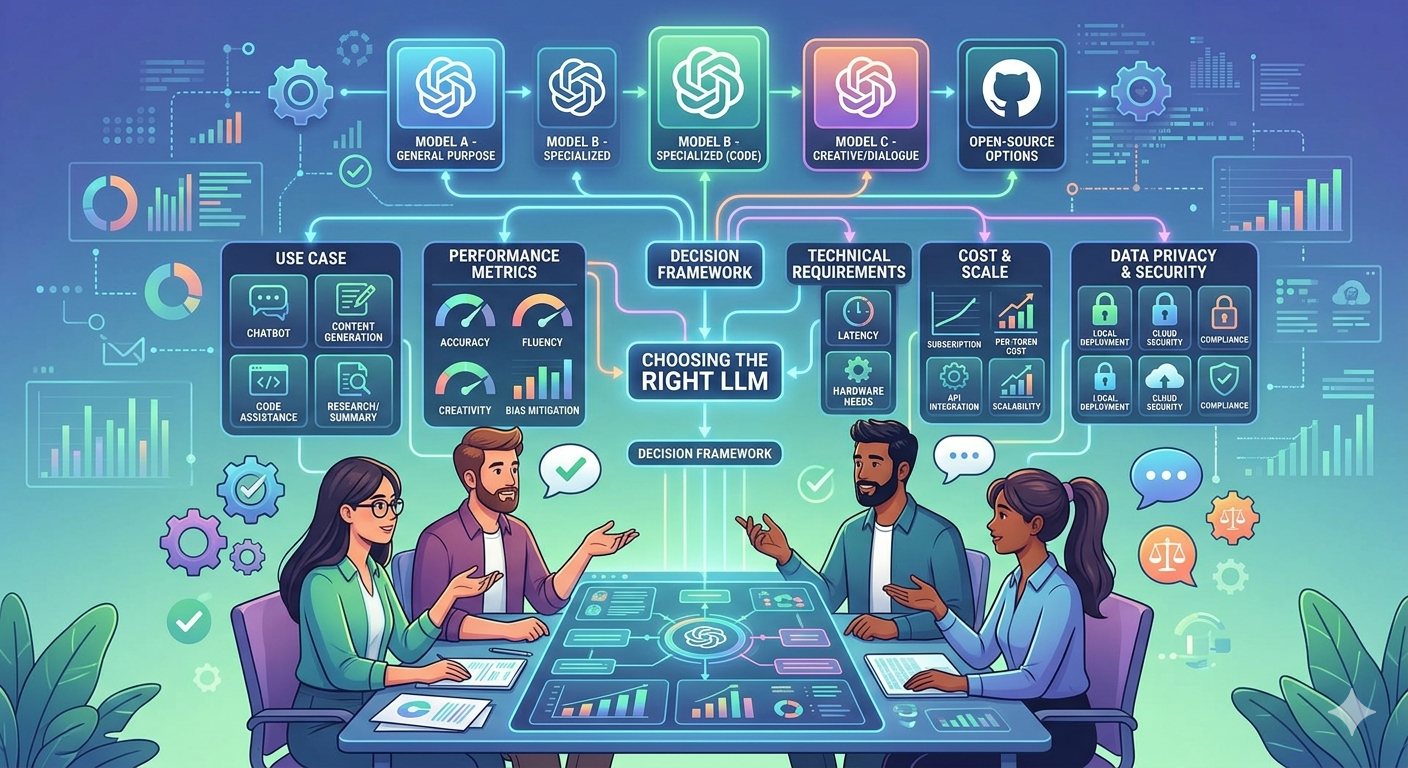
LLModel Choice Determines capability cost speed The Goal Select the smallest model that provides acceptable performance for your task. Step-by-Step...
There is no excerpt because this is a protected post.
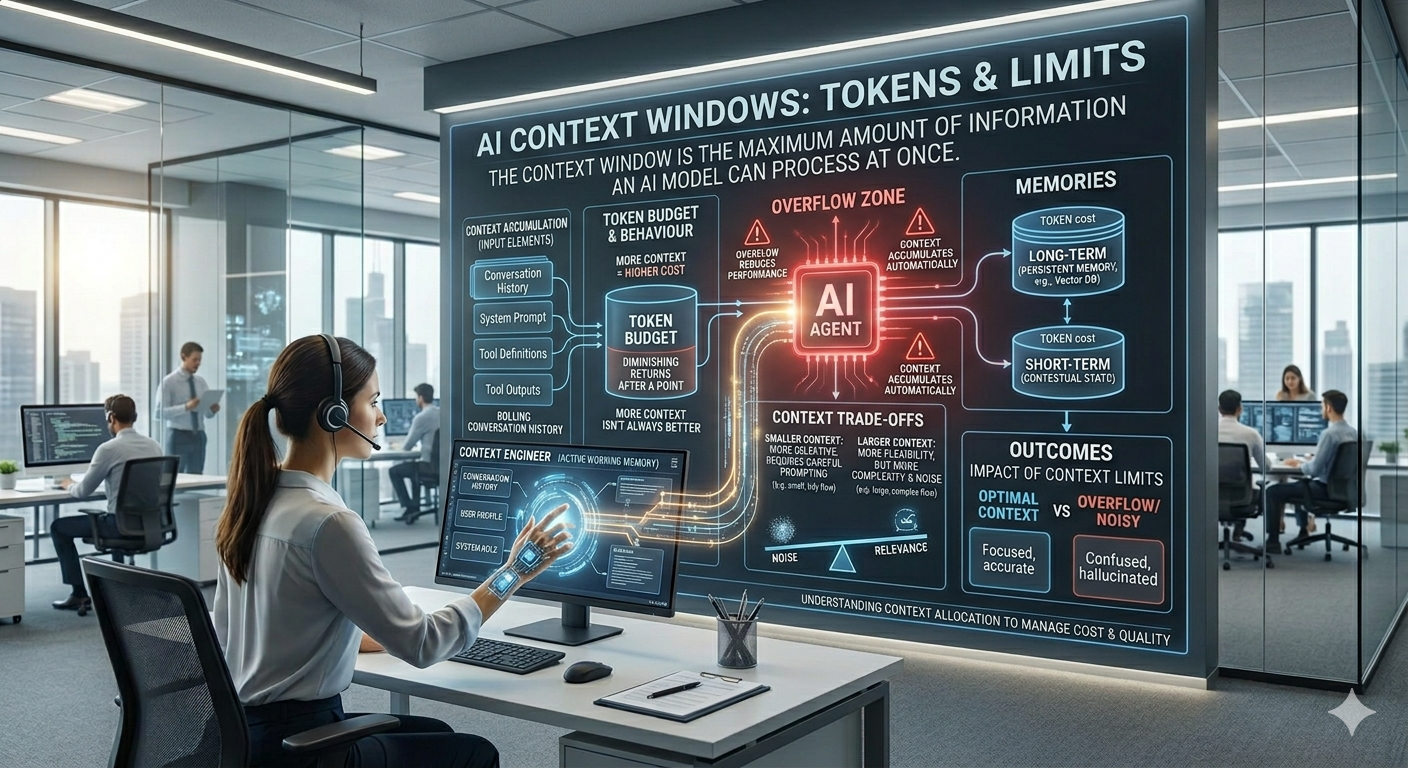
Context Windows, Tokens & Limits Context Window The context window is the maximum amount of information an AI model can...
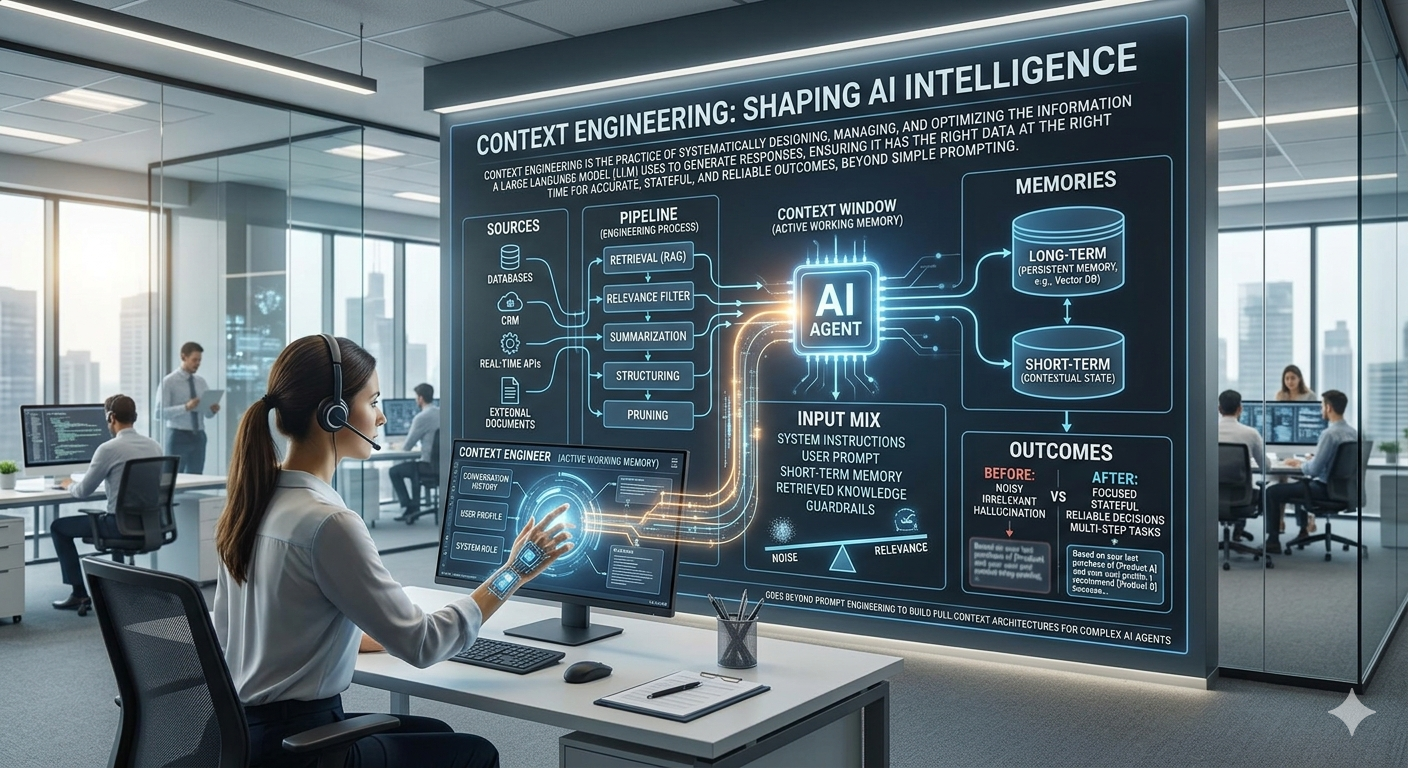
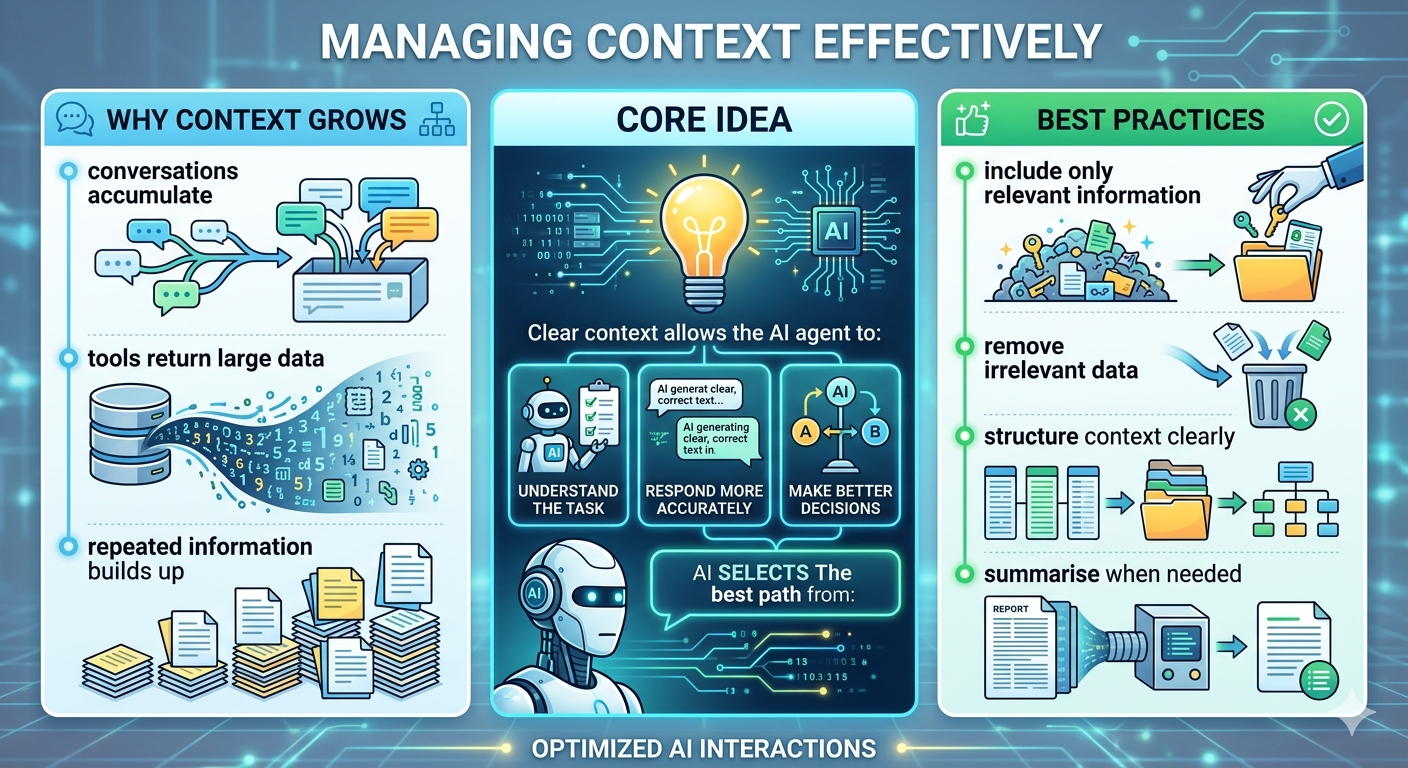
Context Engineering Context Engineering is about selecting and managing the right information for the AI system to produce its best...
Tools & AI Agent Design Thinking tools for your AI agent clear name → function detailed description Defining tool inputs...
Research process use relevant context specify constraints provide examples General notes Best practices to design prompts be specific about the...
There is no excerpt because this is a protected post.
Prompt engineering The process of designing prompts so the agent acts exactly how you want Writing a good system prompt...
Prompting in AI agents instructions for the AI agent: who it is and what it should do a part of...
There is no excerpt because this is a protected post.
Guardrails – The Foundation of Safe AI Systems What Are Guardrails? Rules and constraints that prevent AI systems from operating...
Spoofing & Impersonation Risks What Is Spoofing? When a user pretends to be someone else and the agent accepts it...
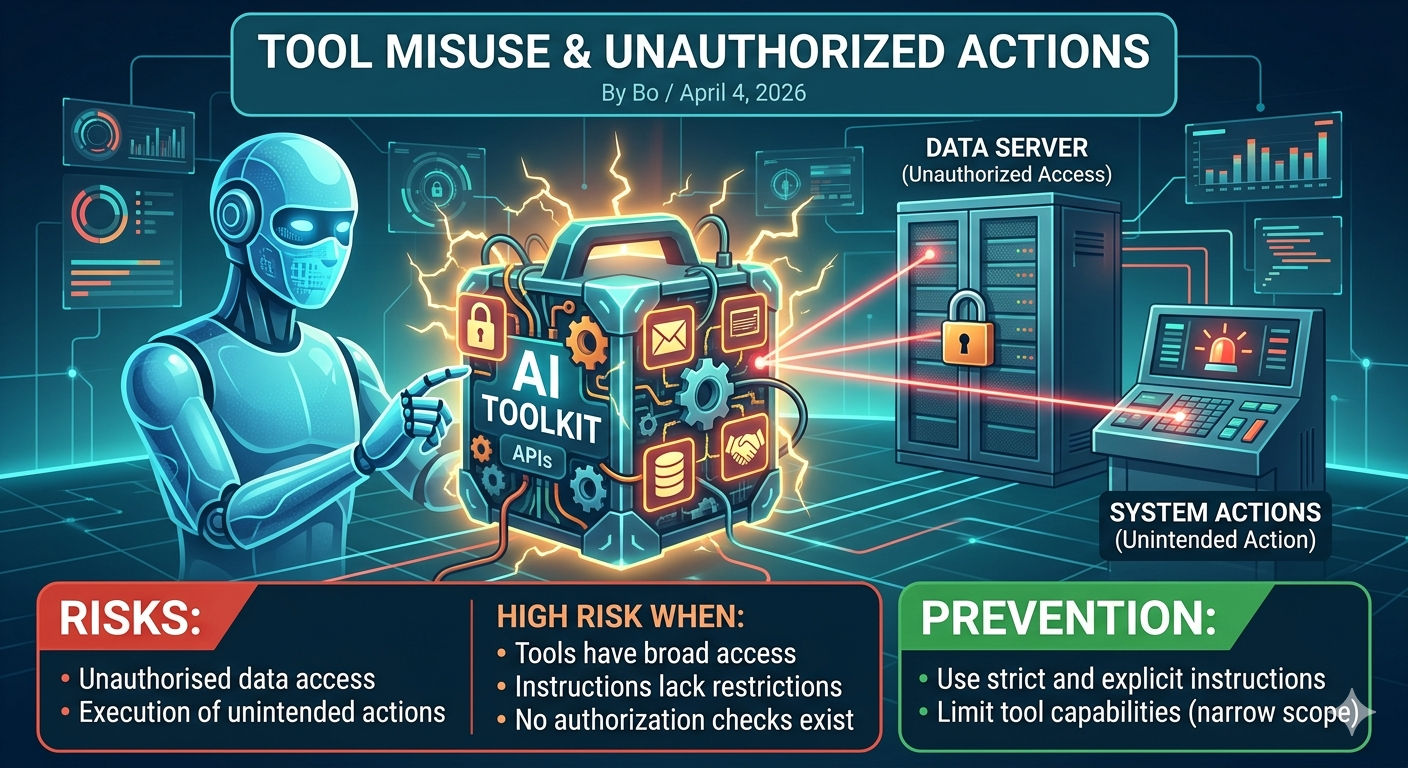
What Is Tool Misuse? When users manipulate an AI agent to use tools (APIs) in unintended ways. Risks: • Unauthorised...
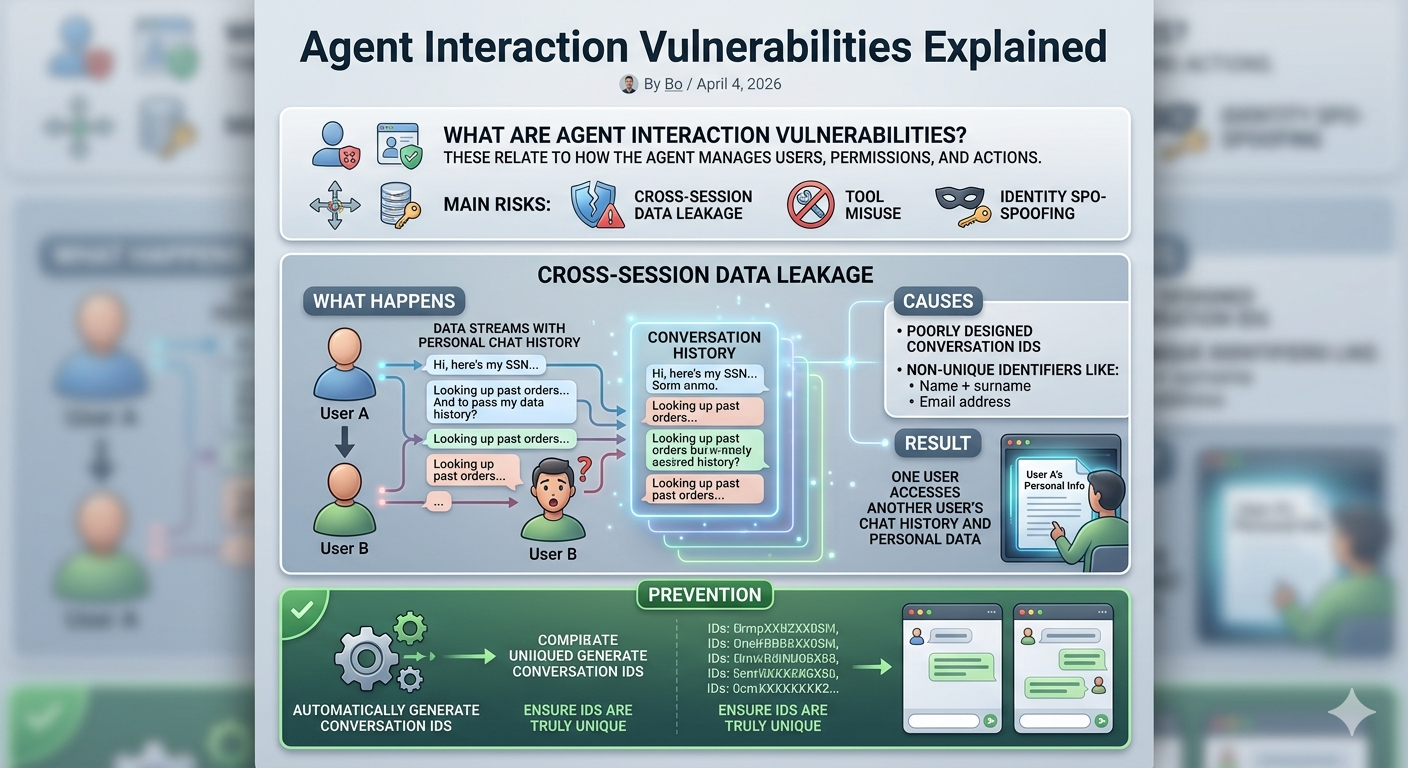
Agent Interaction Vulnerabilities Explained What Are Agent Interaction Vulnerabilities? These relate to how the agent manages users, permissions, and actions....
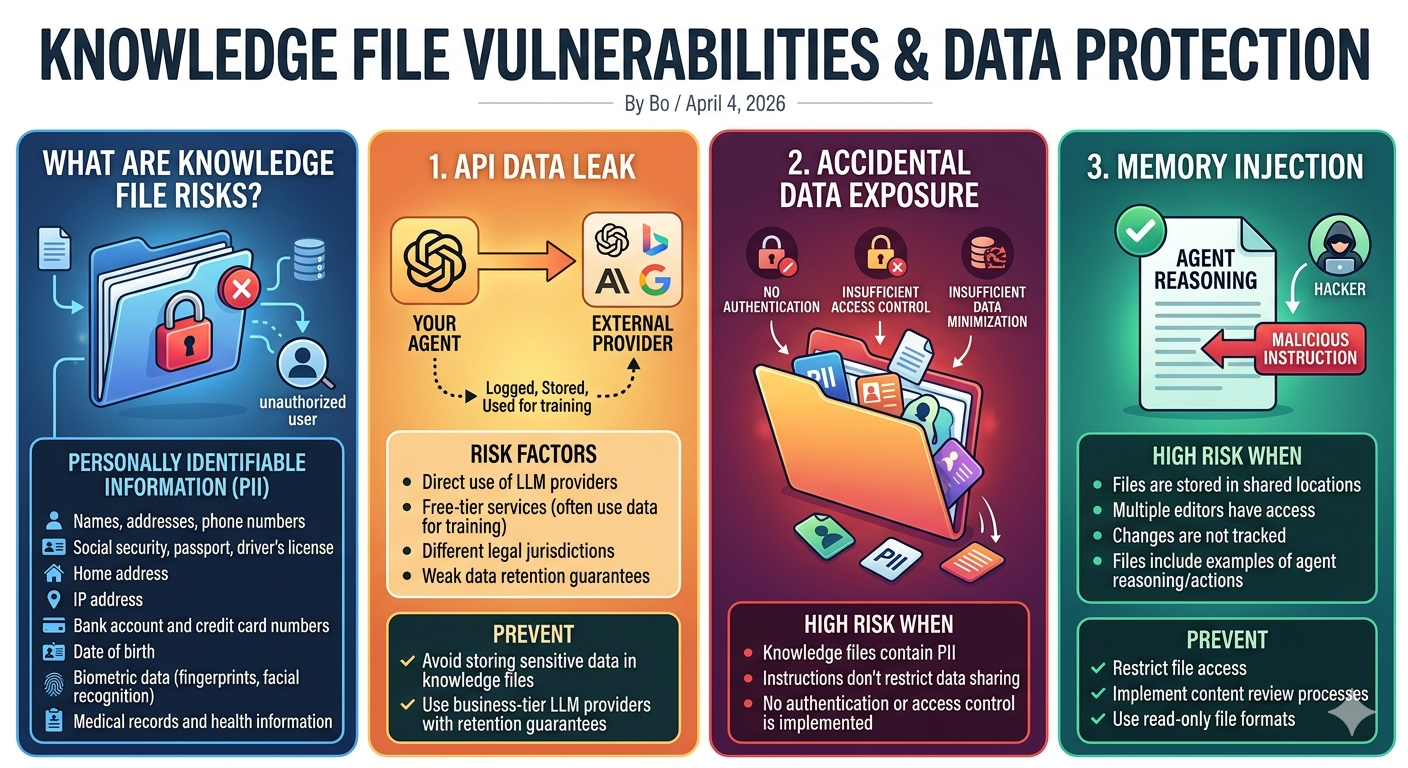
Knowledge File Vulnerabilities & Data Protection What Are Knowledge File Risks? These risks arise from sensitive information stored in files...
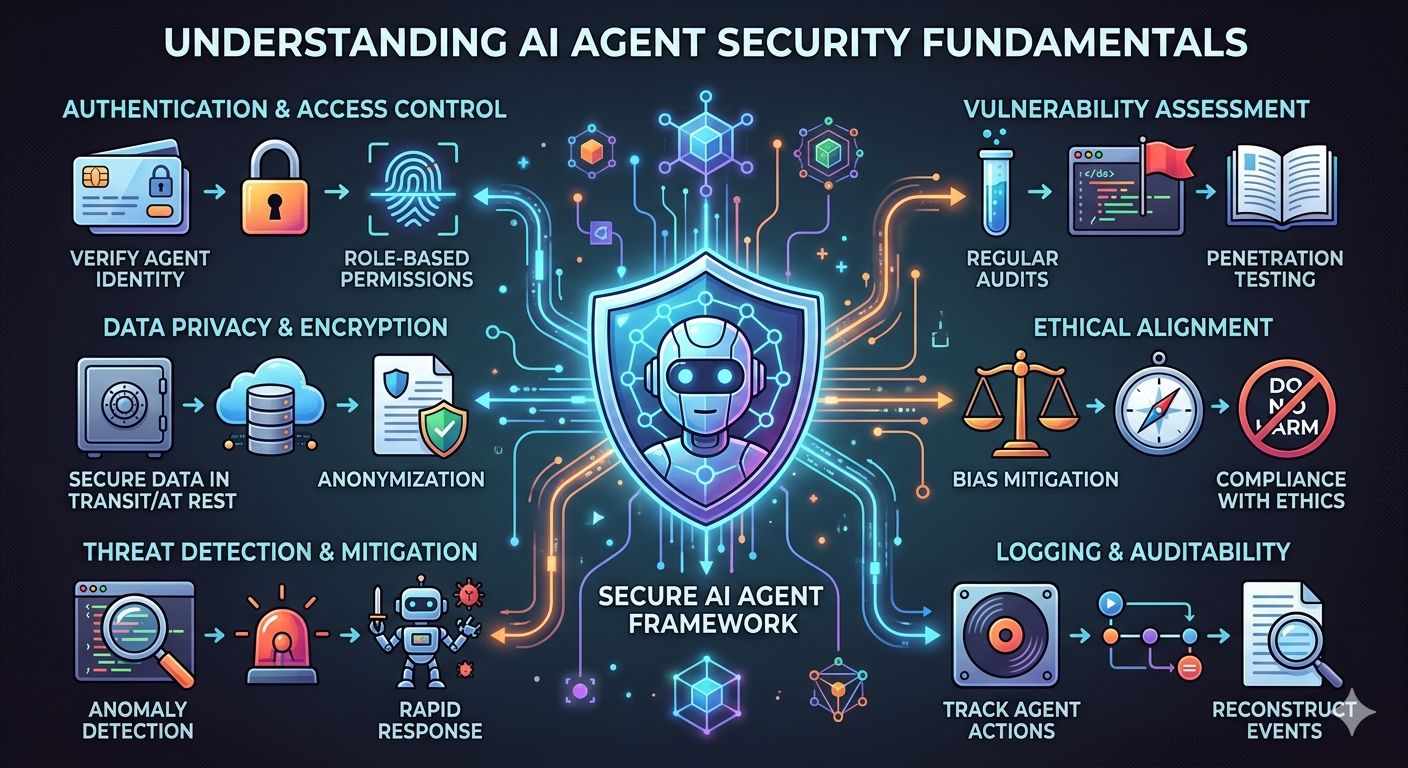
Understanding AI Agent Security Fundamentals Introduction AI agents are powerful—but with that power comes responsibility. Security must be intentionally designed,...
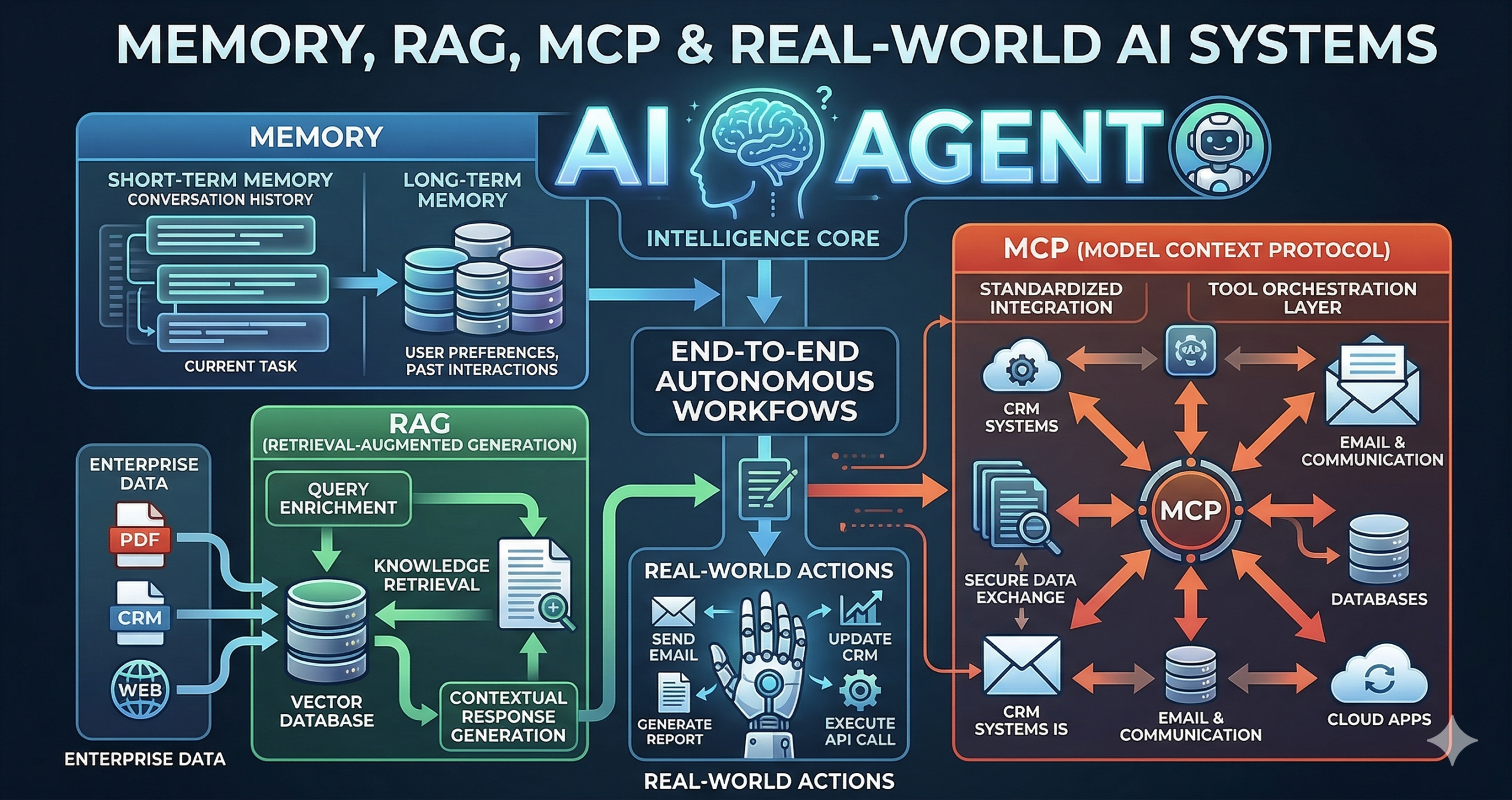
AI Memory Short-term Memory Long-term Memory Context Window Conversation ID RAG – Deep Dive Steps: Knowledge Files vs Tools Knowledge...
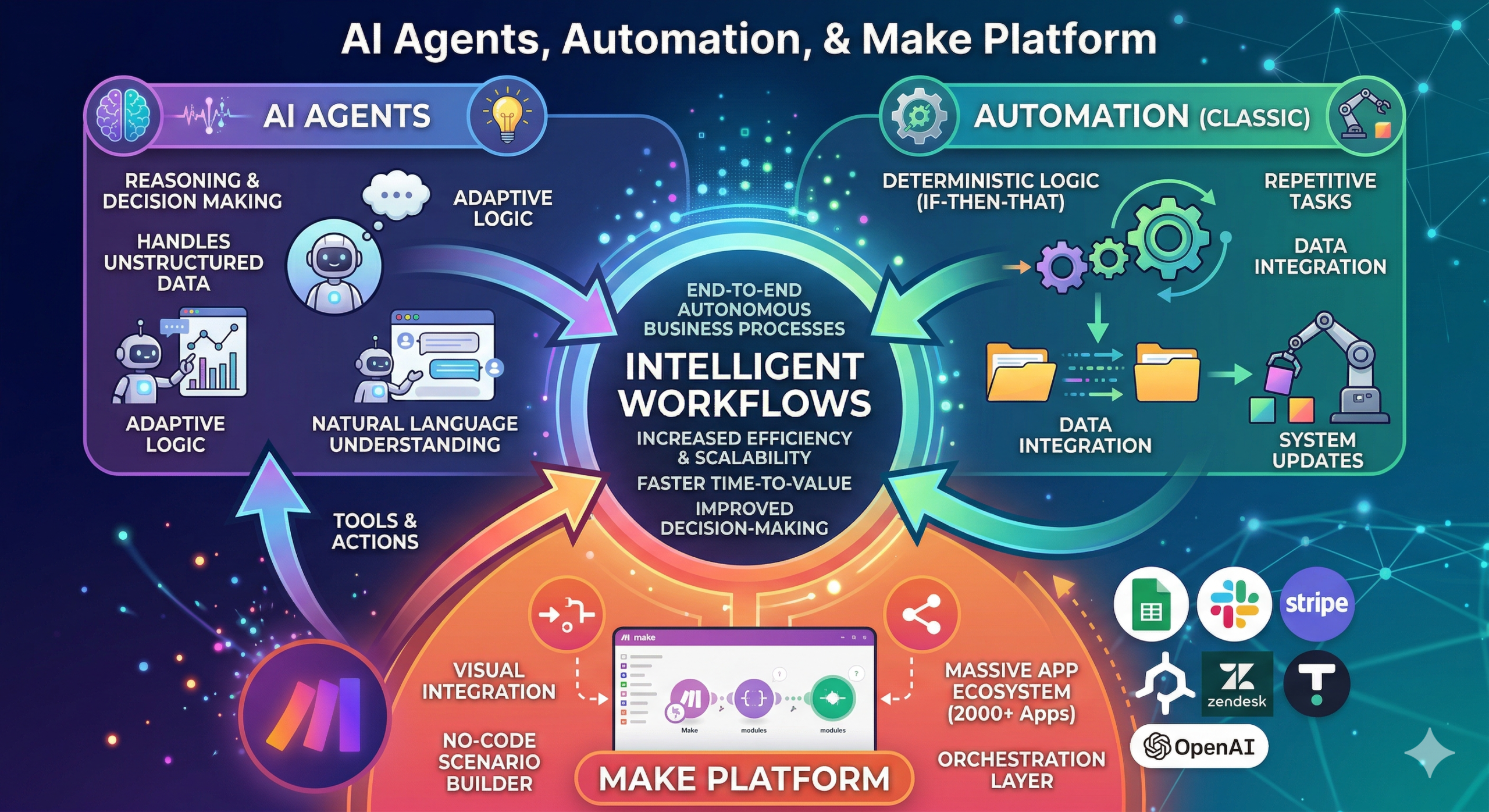
What Are AI Agents? AI Agents: Agent Capabilities Types of Agents Simple Reflex Model-Based Goal-Based Agents vs Assistants vs Bots...
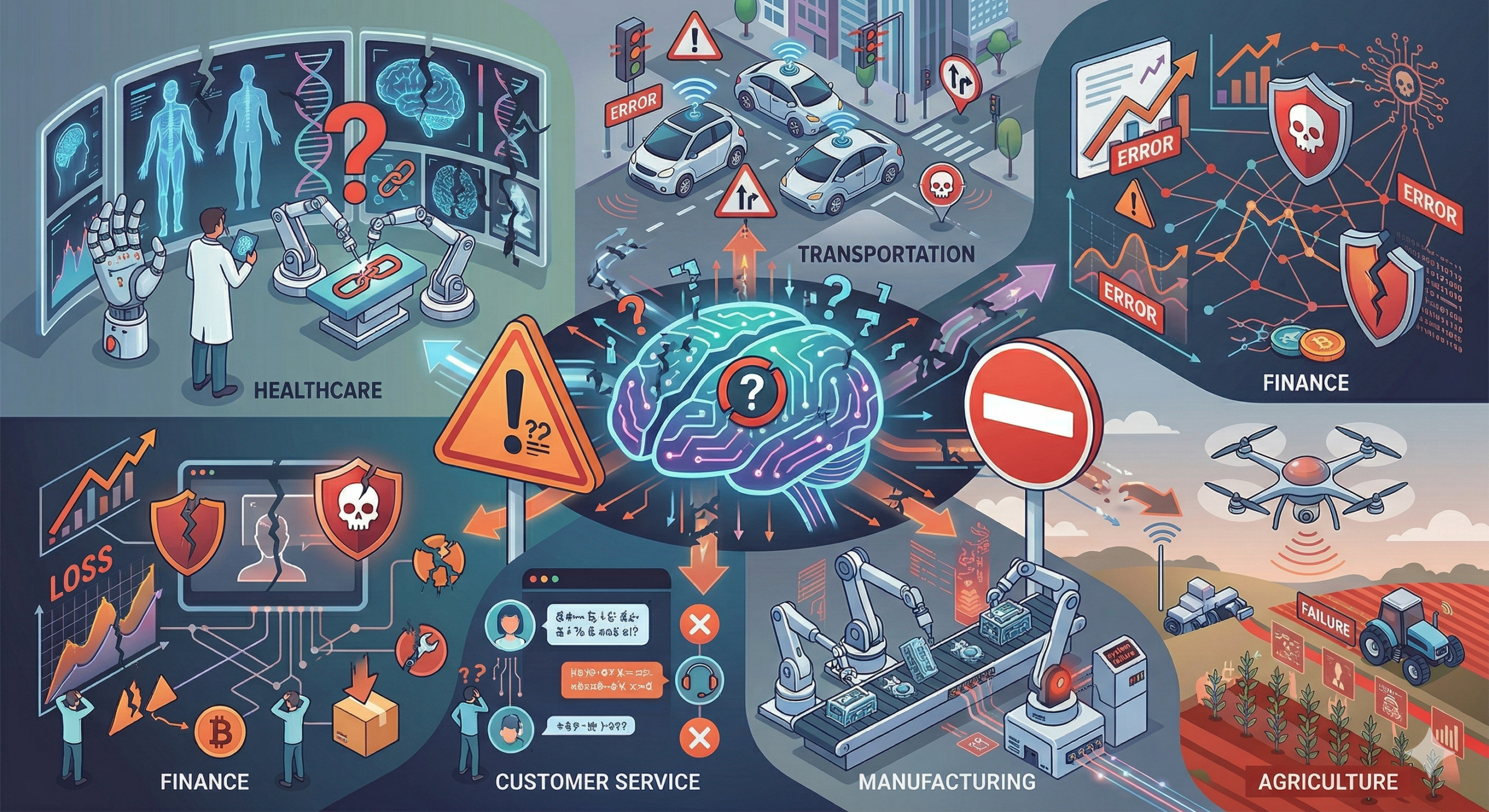
Advanced Parameters Top-P Max Tokens Frequency Penalty Presence Penalty LLM Limitations 1. No True Understanding 2. Knowledge Gaps 3. Memory...
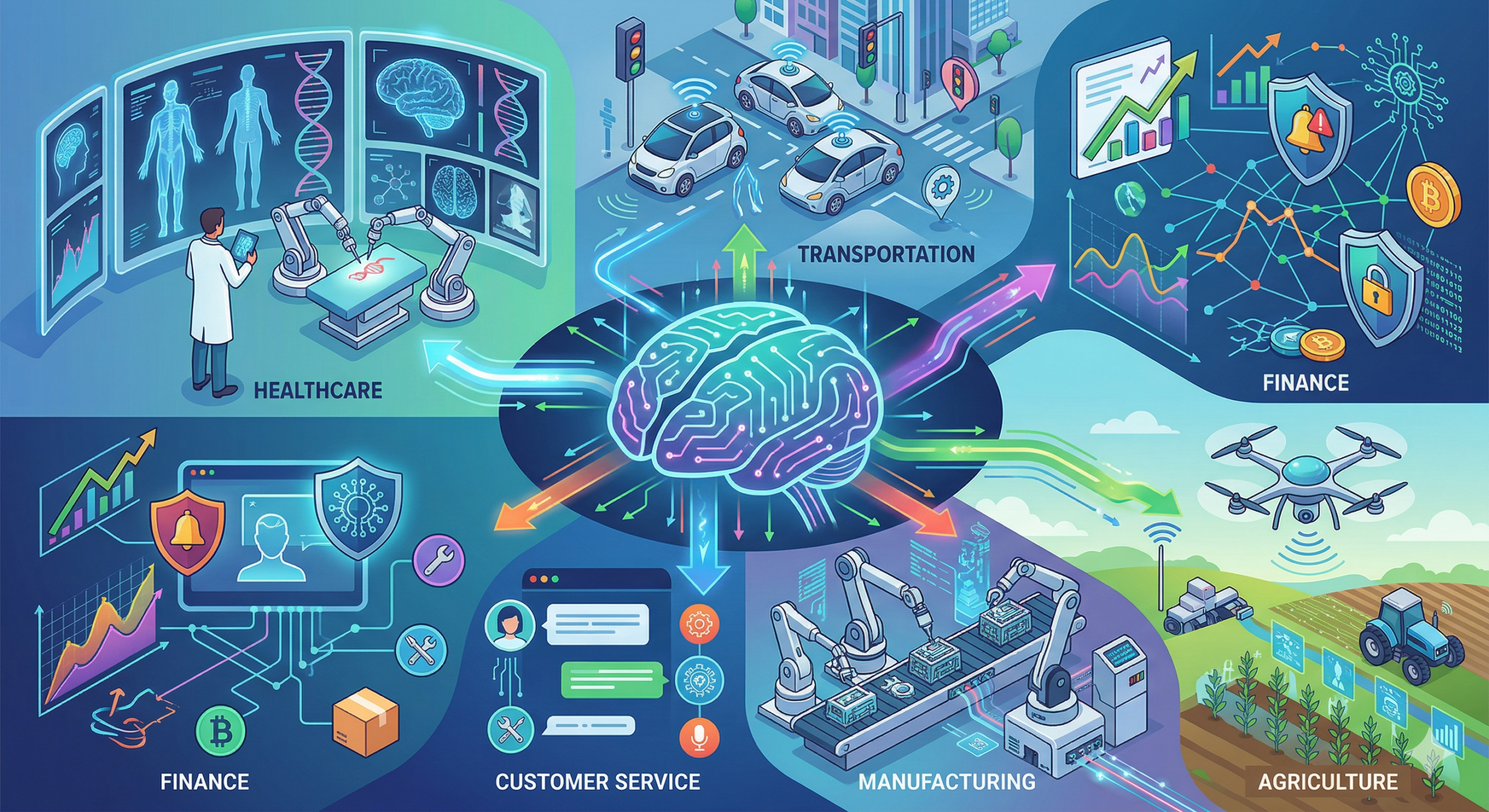
Real-World Applications of AI Virtual Personal Assistants Chatbots Robotic Process Automation (RPA) Examples: Recommendation Systems Examples: Recognition Systems Used in:...

What is a Large Language Model? A Large Language Model (LLM) is a type of AI model designed to understand...
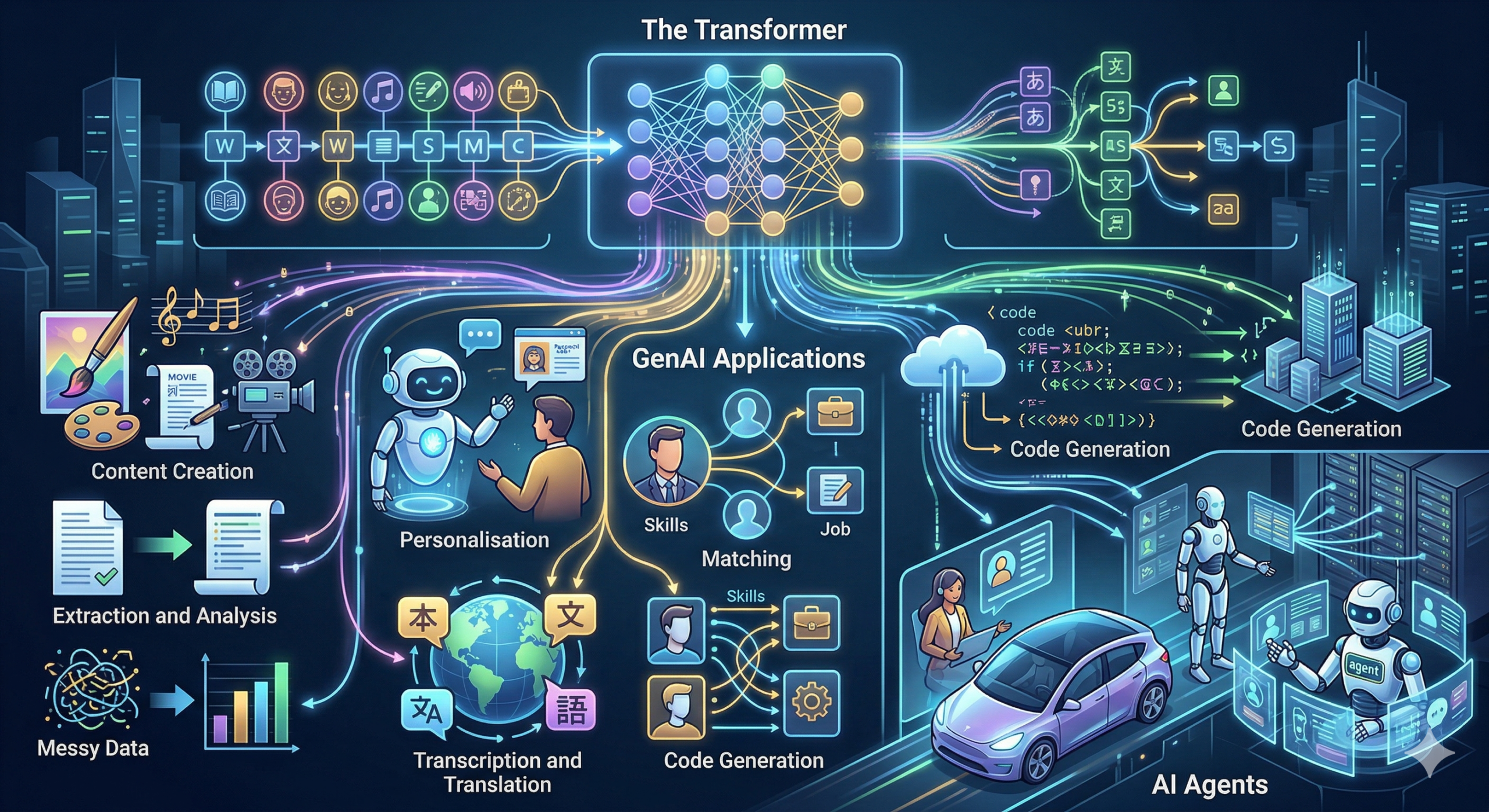
The Transformer The Transformer is a neural network in ML especially suited for language. It allows the system to look...
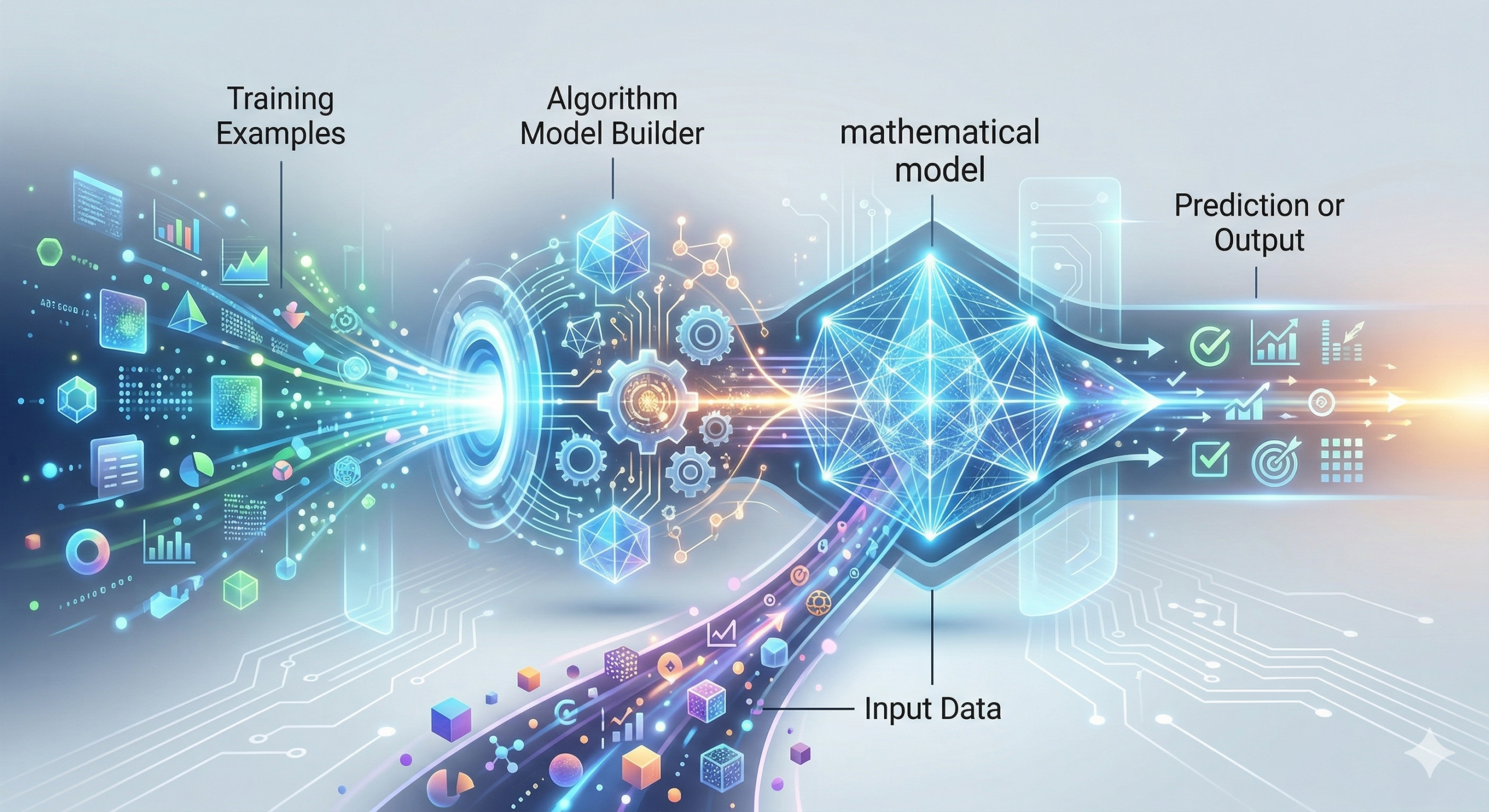
How Machine Learning Works The process follows a specific flow: Training Examples lead to an Algorithm (a set of rules),...
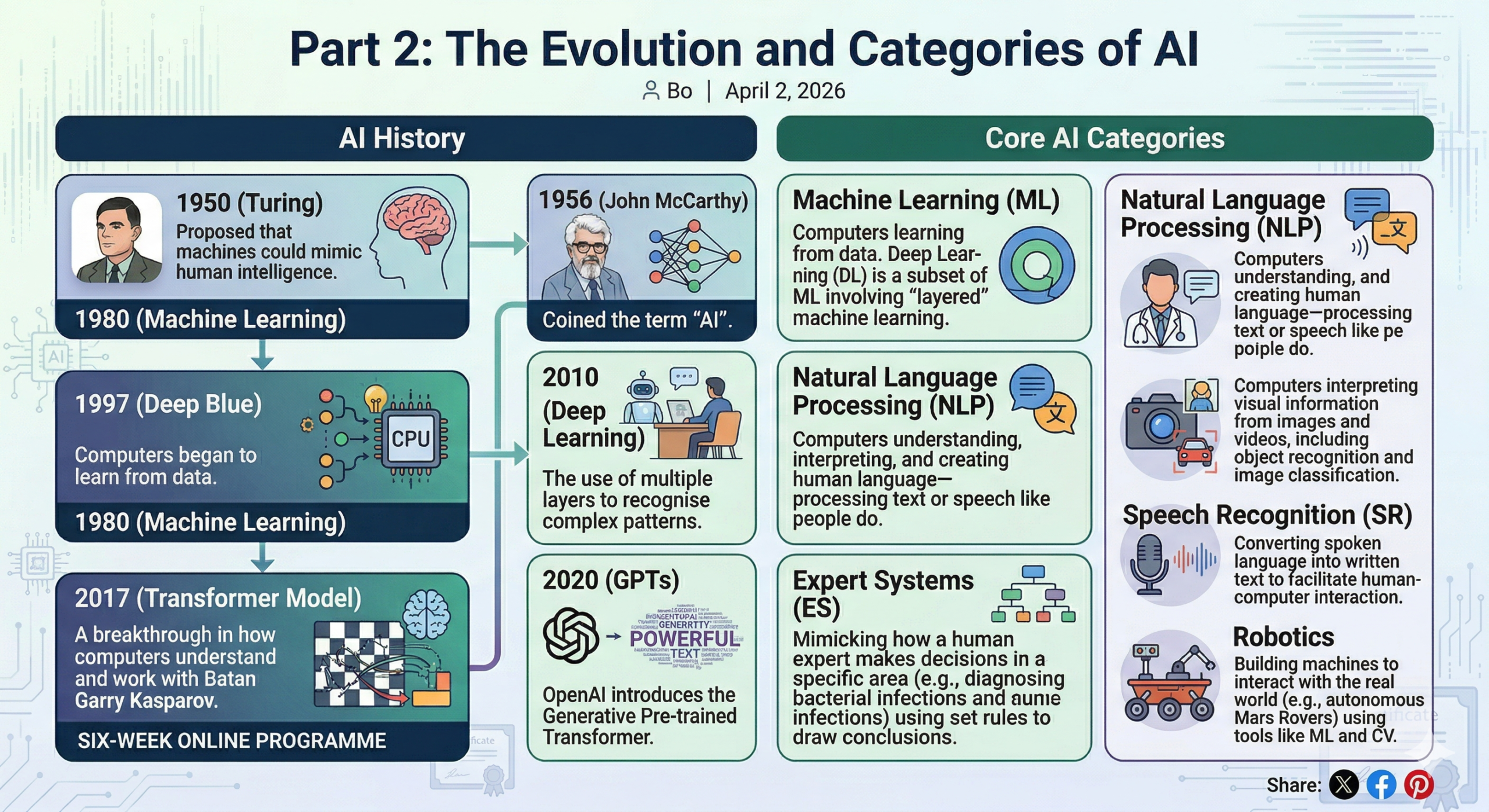
A Timeline of AI History Core AI Categories AI is divided into several functional disciplines:
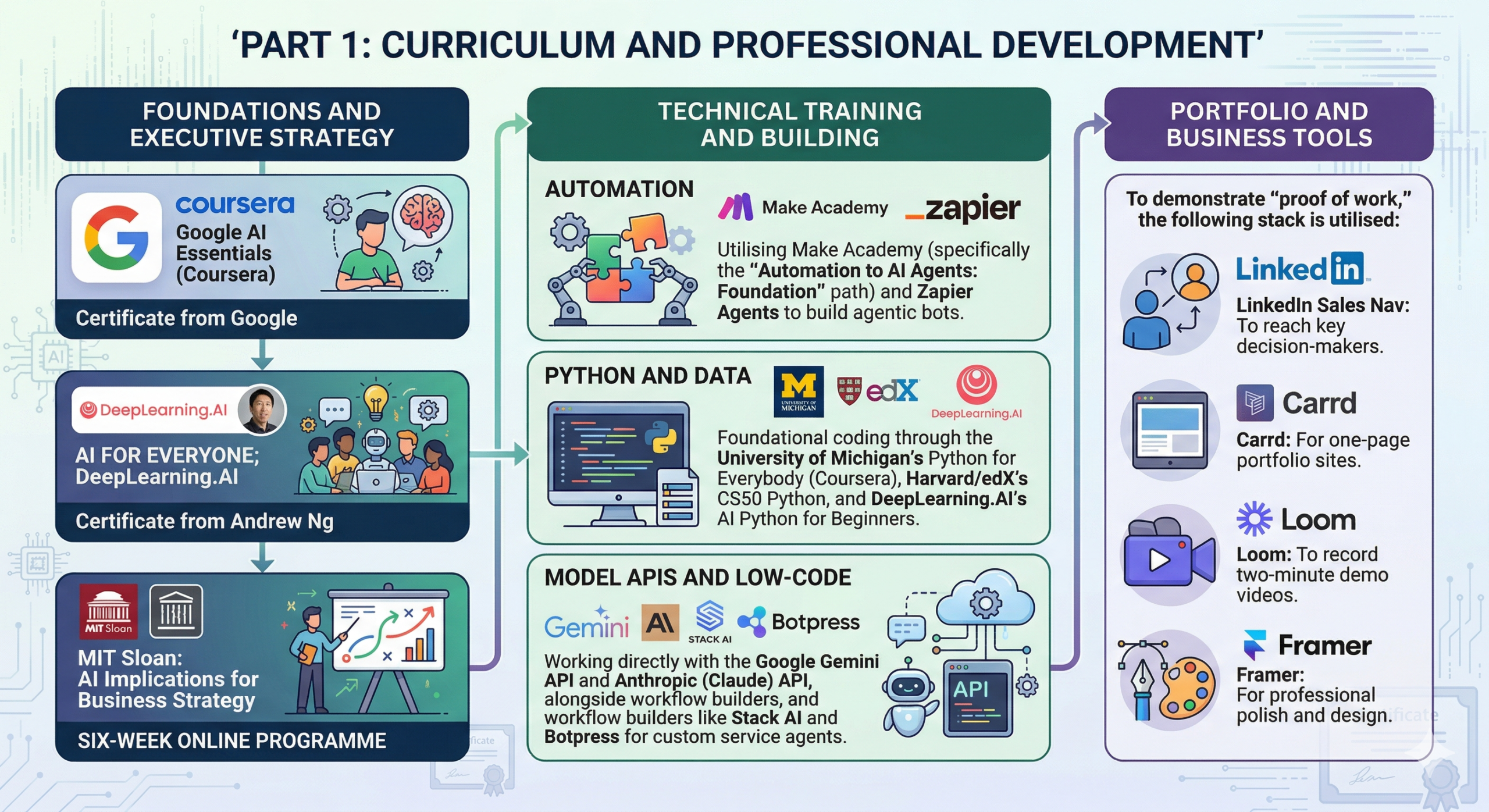
There is no excerpt because this is a protected post.